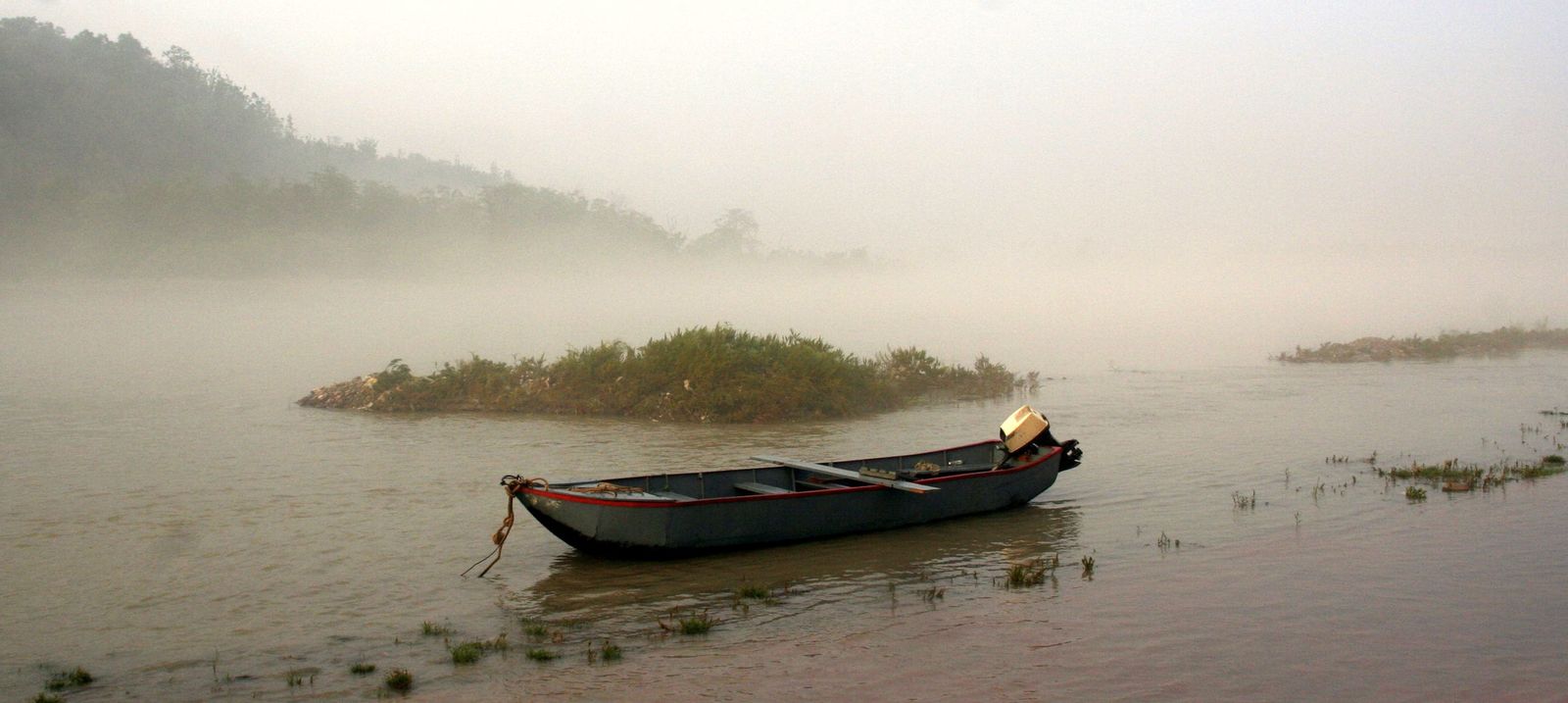
The trip I spent years putting together
I went to India last year and it was my first time there. I had planned it for a very long time, because it was the trip of my dreams. The dream did not start with me. My grandparents lived in India for two years and those were the best memories of their lives. I grew up among those stories with a borrowed sari and one word I learned to say before I understood it: namaste. So I prepared for this trip in a special way. I wanted to arrive ready and mature enough for it.
When I started planning, of course I wanted to see everything. But India is vast, and one trip cannot hold it. I marked only a few places on the map, the ones that were truly my goal, and decided I would rather feel a little than rush past a lot. I was not going to look. I was going to touch.
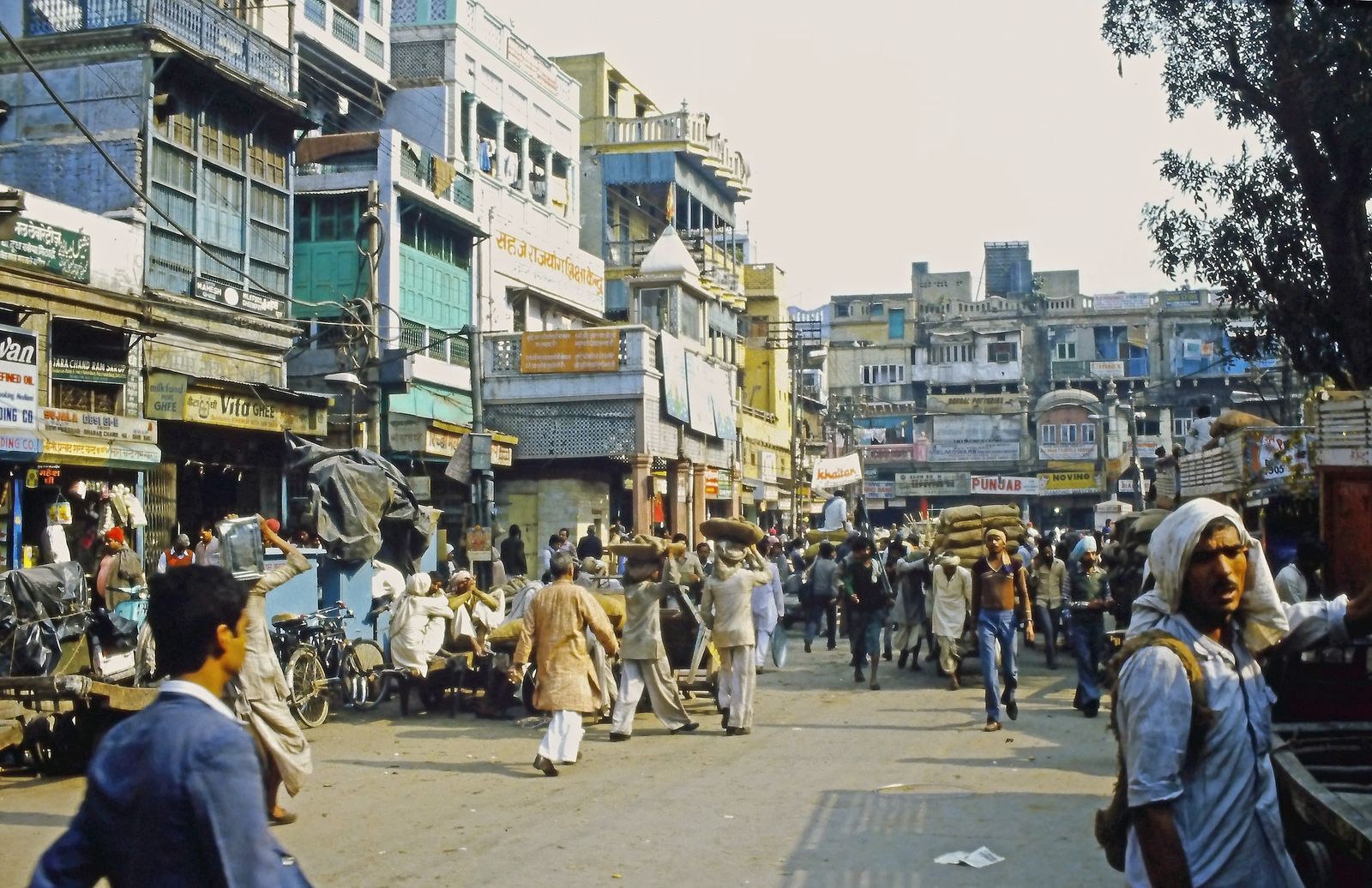
A day and a half in Delhi
I landed in Delhi and gave myself a day and a half simply to walk the city. No agenda: to look, to listen, to get used to the thought that I was finally there.
Vrindavan: the town nobody arrives in as a tourist
From there I went to Vrindavan. It is a spiritual Mecca not only for visitors from all over the world but for Indians themselves: the town of Krishna, where whole families come. On a friend’s recommendation I wrote to the Vrinda Kunj ashram and asked for a place.
Why Vrindavan? I very much wanted to walk the path of Krishna himself. It is a path described in many teachings. You walk it barefoot and you set out very early in the morning. The most interesting thing is that there is no route as such. It is not marked or signposted. You walk almost blind wherever your soul leads you, past temples and ashrams. Along the way all sorts of things happen to you and you meet all sorts of people. They say not everyone can bear it. It is made so that either life itself or Krishna himself makes you think about what is wrong in your life and where you really need to go.
Four in the morning. A man in rubber boots
I was not planning to go alone. At the ashram I had met a neighbour from Colombia who had also dreamed of this path for a long time. We agreed on four in the morning. At four in the morning she did not wake up.
So there I was in the dark and alone, not knowing which way to go. At that moment a man in rubber boots appeared out of nowhere and spoke to me in Spanish. Spanish is a rarity in India. It felt so homely and so warm that I simply asked whether he knew the path. He told me to follow him and he would show me. And I followed.
There was no light on the road. Cows, monkeys and people who had come out into the same darkness as me. Inside me everything came and went. Fear. Laughter. The thought: where am I going, and why am I even here? I was barefoot and very soon the soles of my feet began to burn. Then the skin began to come off. I kept walking anyway. We reached the first temple. There my guide went about his business and I carried on alone.
I walked the whole path. And I finished it with an enormous gratitude that I still cannot fully describe. That night I could not sleep: visions and thoughts kept coming, and I wrote them down one after another. It was a stream, of knowledge, of silence, of something divine passing through me like a ray of light.
There is no route. You set out blind, and the path shows you where you need to go.
People who gave their lives to service
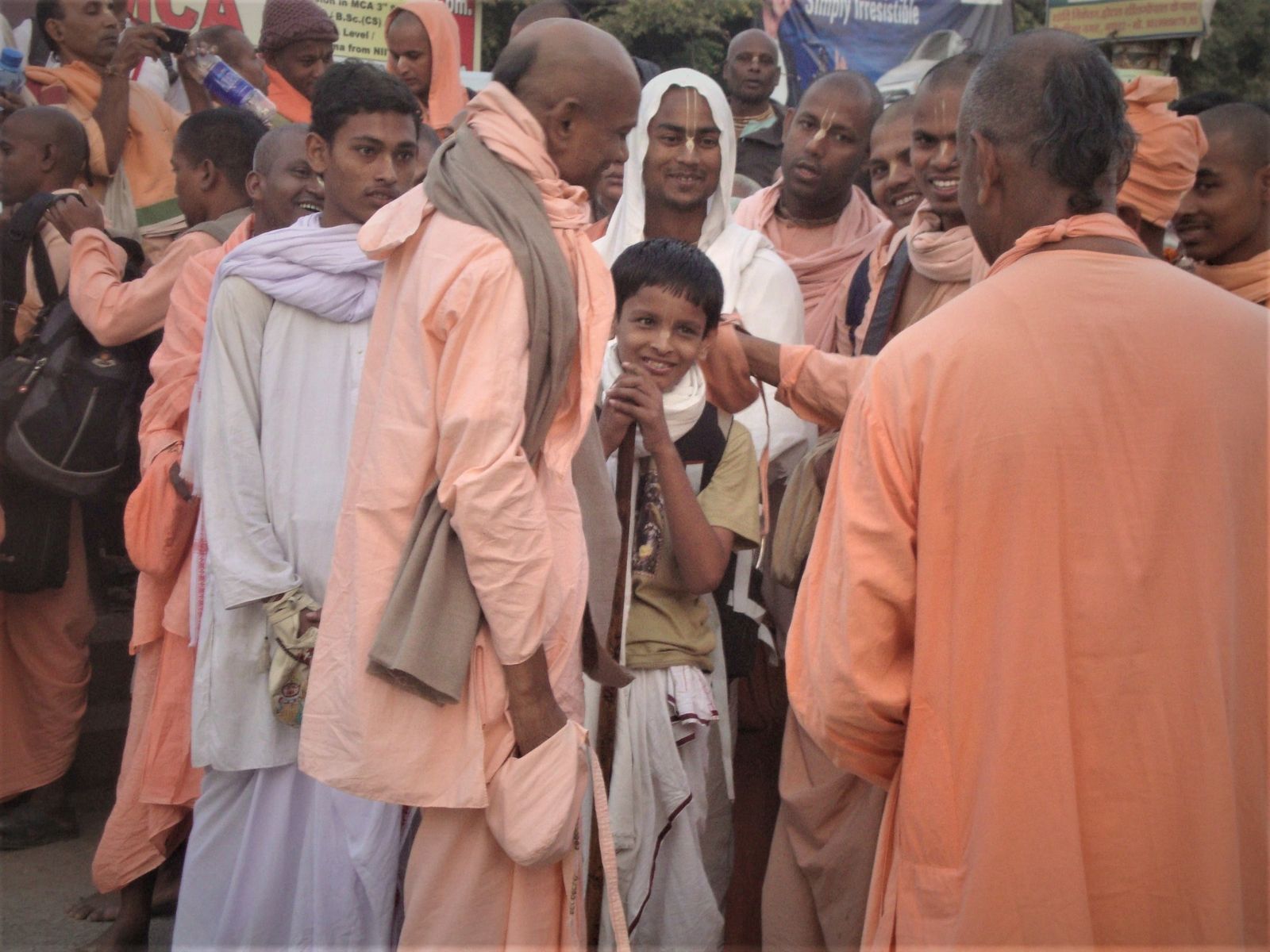
Vrindavan gave me extraordinary people: those who live there and have devoted their lives to serving Krishna, teachers I talked with and learned from, and simply people whose eyes were alight. Those encounters stayed with me as much as the path itself.
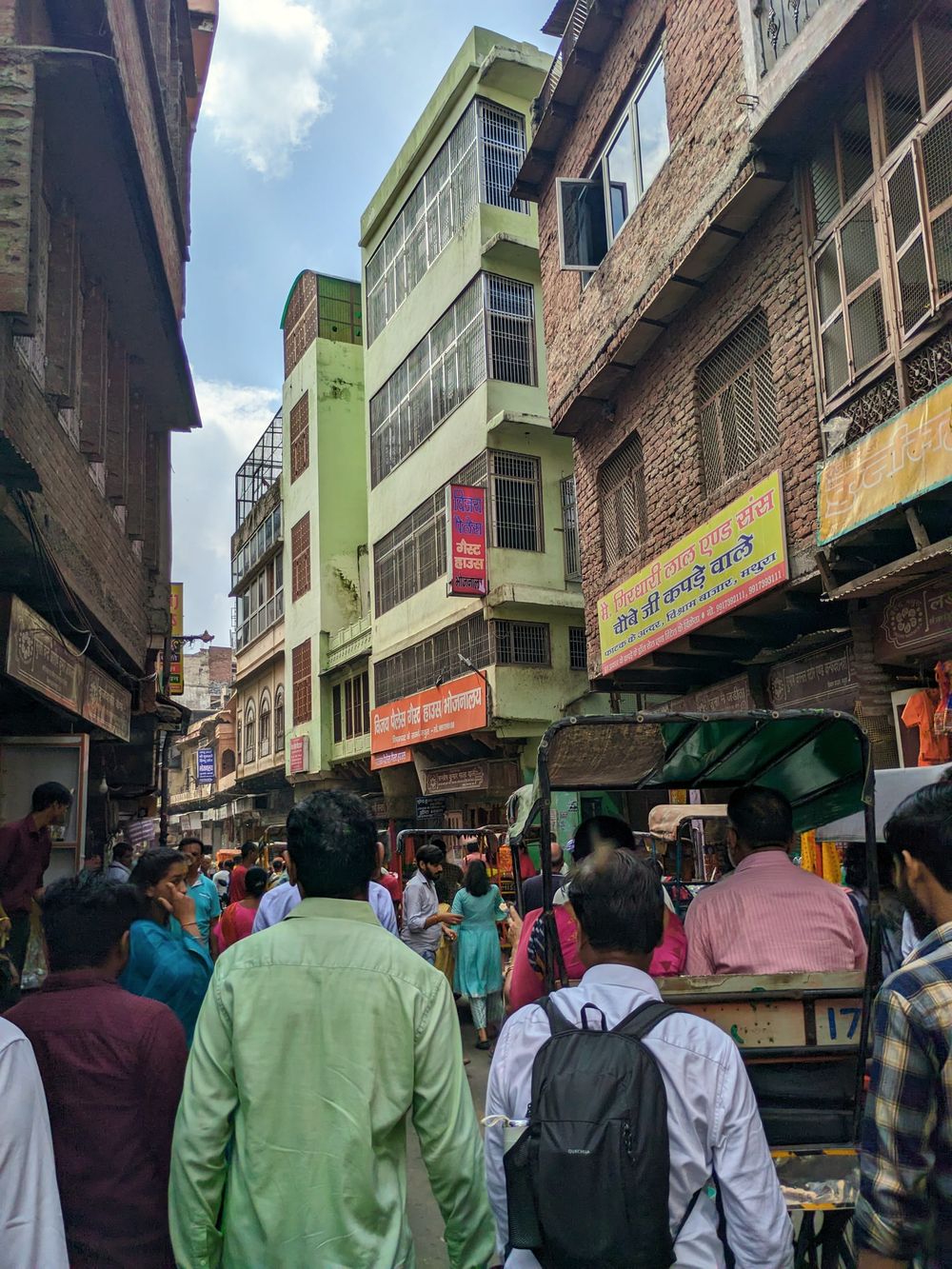
The Taj Mahal and the open-heart rule
Next came a more touristy stop, the Taj Mahal. Getting there was an adventure, but then everything in India is an adventure, and I think that is precisely the point. You have to come to India with an open heart and accept situations as they come and as they are: without judgement, just with love. Then she answers in kind.
I wandered around, and that evening a night bus was waiting to take me to the Himalayas, to Rishikesh, where I would spend the remaining days.
The night bus and the happiest eyes
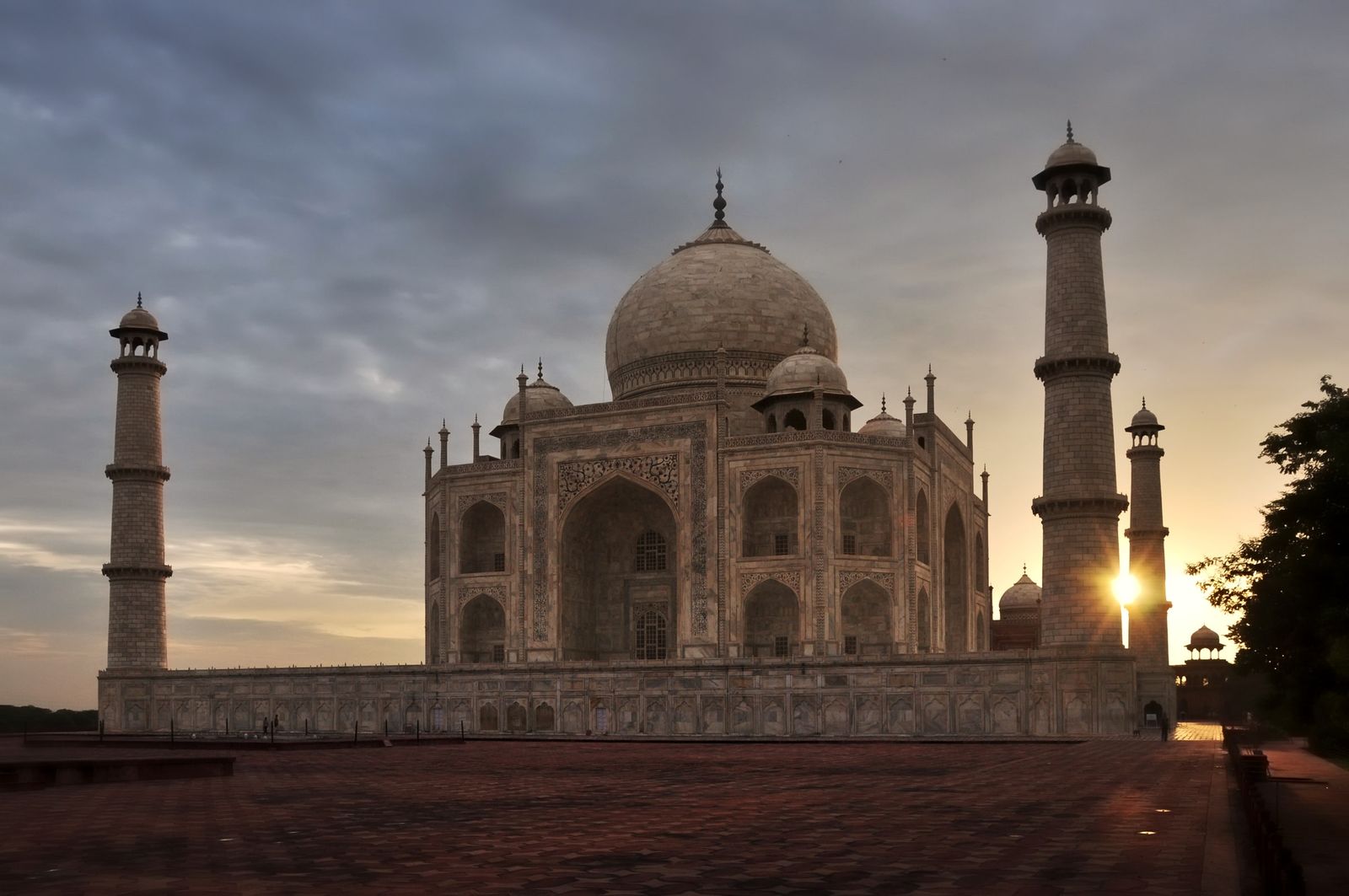
Travelling on local transport with local people turned out to be one of the richest experiences of the whole journey. Kinder, more open, more helpful people I do not think I have met anywhere else. Or happier. They are sincerely glad of the simple fact that a new day has come, that there is light and air. They meet everything with the sincerity of small children, and their eyes shine. I still remember those eyes.
Rishikesh: dawn on the banks of the Ganges
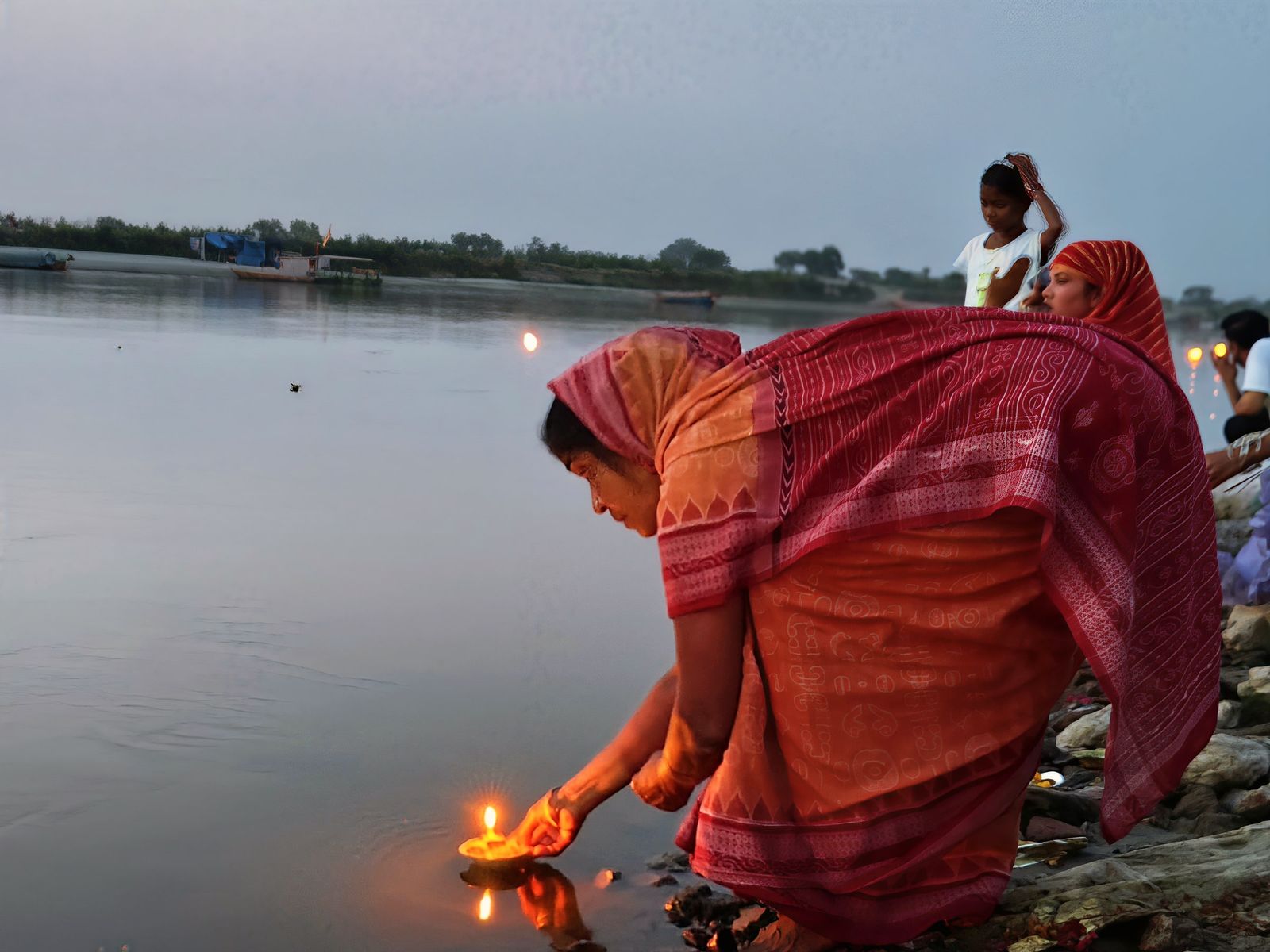
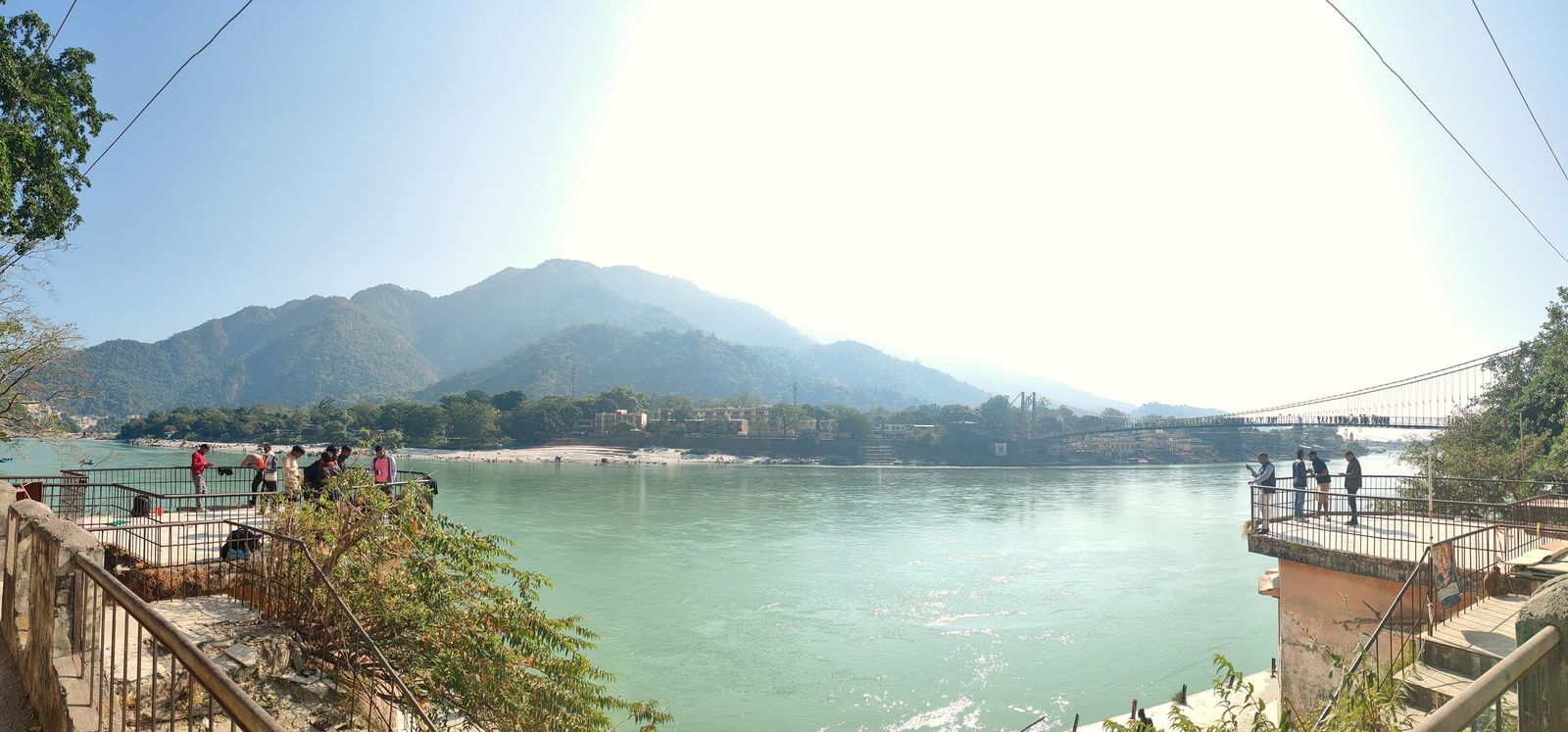
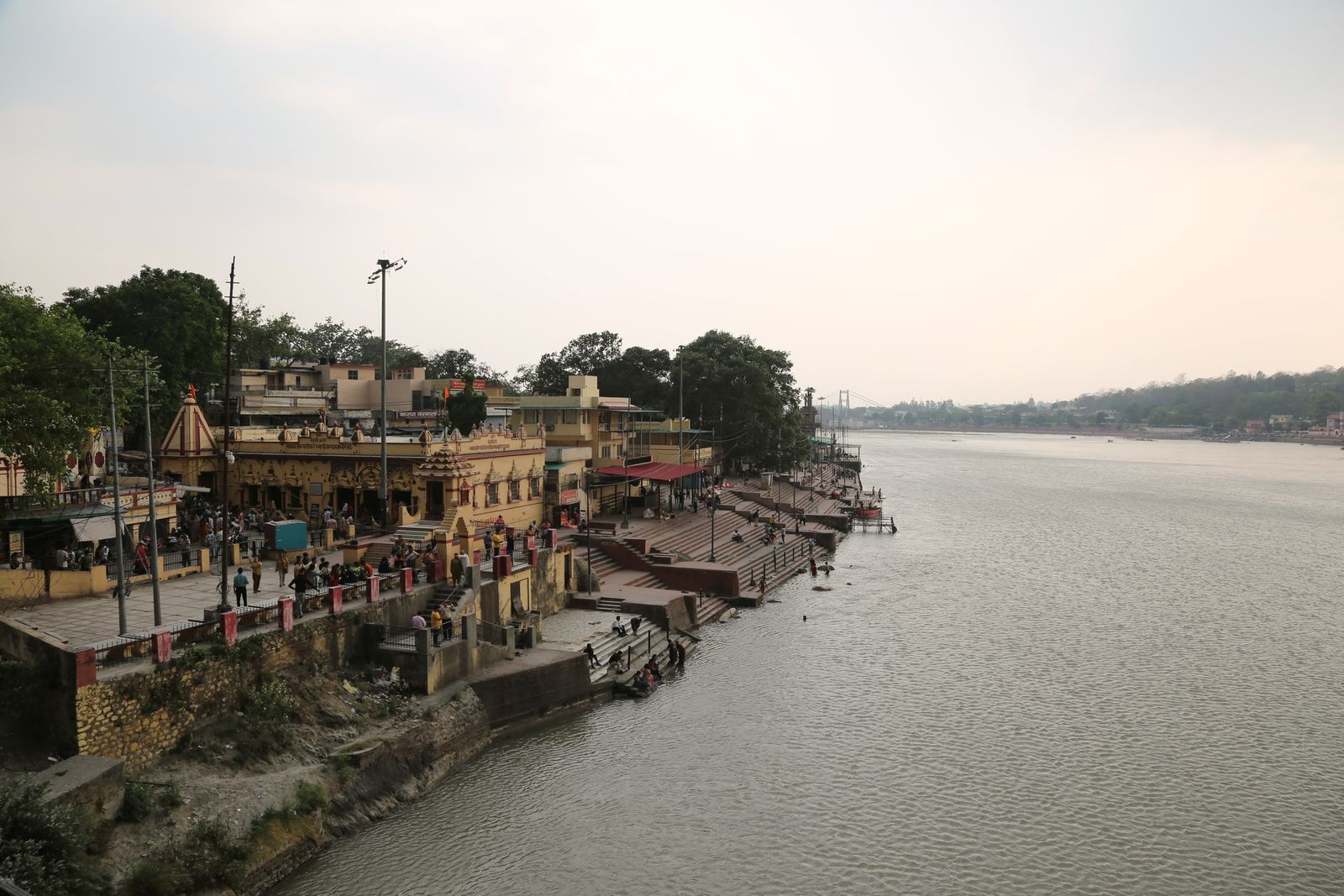
I arrived very early in the morning and came down to the bank of the Ganges. I crossed the bridge to the other side and walked to the Parmarth Niketan ashram. It stands right on the river at the foot of the Himalayas. I had written ahead there too. I think it was the most powerful experience of my life. One state followed another. Tears. Joy. Gratitude. I went into the sacred river and touched the water. That was a time of many inner changes in my life. All my fears and my sorrows and my regrets I gave to the Ganges. Everything I had been carrying.
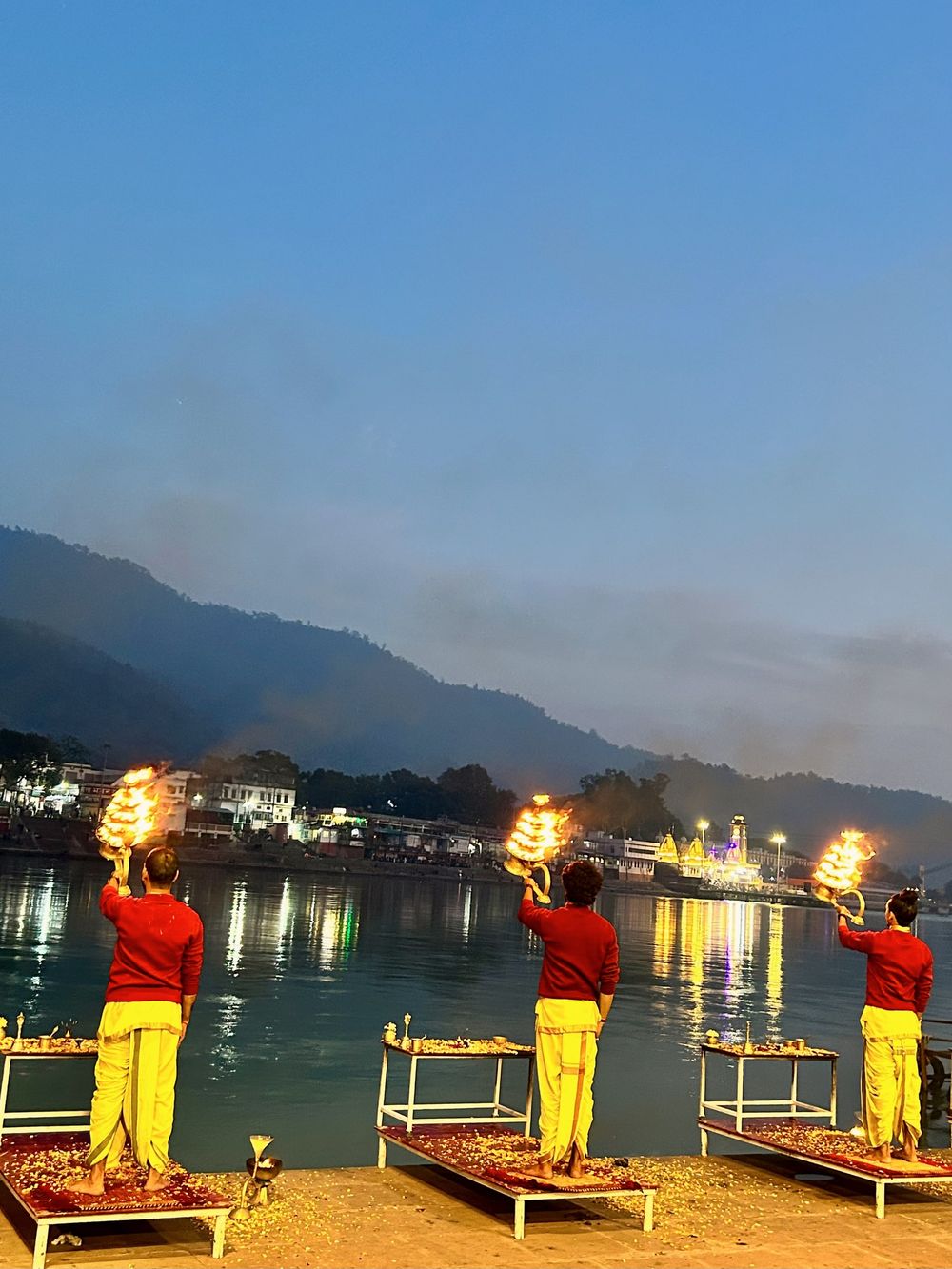
Conditions at the ashram were fairly tough, but I knew where I was going and I was ready for it. The schedule was full: early-morning yoga, meditation, breathing practices. And with all that, so much life energy! Wonderfully tasty sattvic food, walks, Ayurvedic massage, the local cows you cannot help wanting to stroke. In the evening, a garden where you could come to ask questions, talk, chant mantras. And every night, mantras sung on the bank of the Ganges, where I got to know the ashram’s brahmins.
The ashram is led by Pujya Swamiji, and beside him, for more than thirty years, lives and serves Sadhvi Bhagawati Saraswati. Together they run a mission that helps people all over the world. She turned out to be very close to me in spirit: in her words I found the answers I had been looking for, and in that period of my life she became my spiritual guide. If you would like to know more about her, start with her name.
I practised yoga every day, and it was a completely different yoga from the one we are used to in Europe. With different teachers it was different: with some more active, with some built around the breath, with some very slow. I even tried dance yoga, which simply does not exist in Europe.
All my fears, my sorrows and my regrets I gave to the Ganges.
About what was hard
Many students think their yoga teacher lives in a permanent state of nirvana with a smile that never leaves her face. Let me be honest. I am an ordinary person like everyone else with my moods and my difficulties and my problems. There are moments in life when you want to throw in the towel. To wave it all away and ask what the point of any of this is and where I am going.
In India I had a couple of those moments too, when I thought: why did I even come here, I want to go home. And then I would calm down. The wonderful Indian women, with their astonishing sense of sisterhood and motherliness, simply hugged me and brought me back to balance, the kind you can grow from again.
I am in therapy myself, because working on yourself is constant work. My therapist says a phrase I love: after every bit of growth comes a small step back. A person grows and grows, lives through things, and then it feels as if everything collapses and they are back at the start. In reality it is not so. Even when it seems everything is starting from zero, the road you have travelled is still there. It is precisely with that experience that we are who we are today.
What India changed in me
This trip changed me in many ways. I began to look at some questions completely differently, India opened my eyes to many things, and I was able to let go of a great many situations. Some still need work, of course: the path does not end.
I love an active practice. But it was in India that I truly felt what grounding is, what it means to stop for a moment and really feel the practice. Sometimes you can do less and work on subtler levels: not only with the body but with awareness. In Europe yoga is too often reduced to the physical part. I always tell my students: the real practice begins when we step off the mat. Yoga is not the poses; it is how we live and how we look at our life. India taught me that too.
I already knew Jyotish before the trip. I like getting to the bottom of things, not only in myself but in the people close to me, and Jyotish became my key to questions I had long been trying to answer: why certain situations happen in my family and in my life. And most of all, it taught me to look at them differently. At some point something clicks: it is not “this should not be happening”, it is my path forward. The birth chart does not decide for us; it helps us go deeper.
Vastu became one more tool to complete the picture. The place where we live is our place of power. It either drains our energy or charges us, moves us towards new heights and makes life simpler. In a harmonious home we rest better, the mind works better, and energy evens out across all areas of life: money, relationships, health.
India is my home
Right now I have no trip to India planned, but my heart is always open to it. I remember it and think about it with great pleasure, and I would gladly organise a trip for anyone who wants to come with me: I have the contacts and I know how to do it. For me India will always be home.